The loss is real, and it compounds
Every day the film sits, you sell fewer kilowatt-hours. That is true for a home app and for a utility-scale SCADA screen. The percentage looks small until you multiply it by nameplate, by sun hours, by the offtake rate.
A worked example: 2,000 kW × 1,400 kWh per kW-year × 15% soiling × $0.16/kWh is $67,200 a year left on the table. That is why farms put washing on a calendar instead of waiting until the array “looks dirty.”
Why monitoring under-reports it
Soiling is slow. Inverters and weather files absorb the drift. Unless you tag wash days and compare like-for-like clear weeks, the loss looks like a mild summer. It is not.
Bird spots and irrigation overspray are worse than uniform dust — they shade individual cells and can create hot spots. A wash that only “looks pretty from the parking lot” is not the same as restoring string current.
Measure it before you guess
Pull production for two similar weather weeks — one after the last rain or wash, one now. The gap, minus known outages, is your soiling. If you do not want to do the math, the calculator on our solar page will turn kW, loss, and rate into recovered dollars.
Recovering it without a crew on the glass
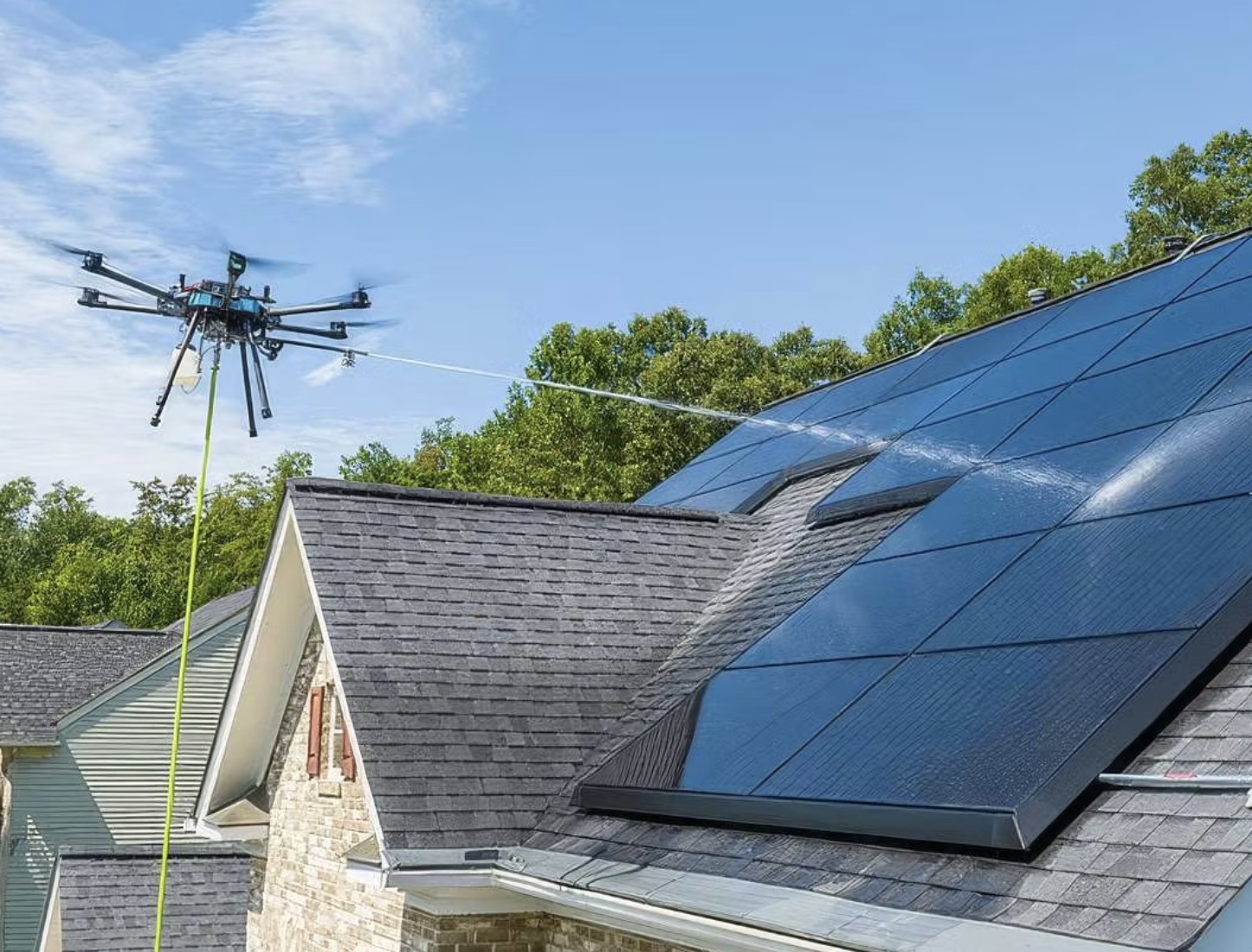
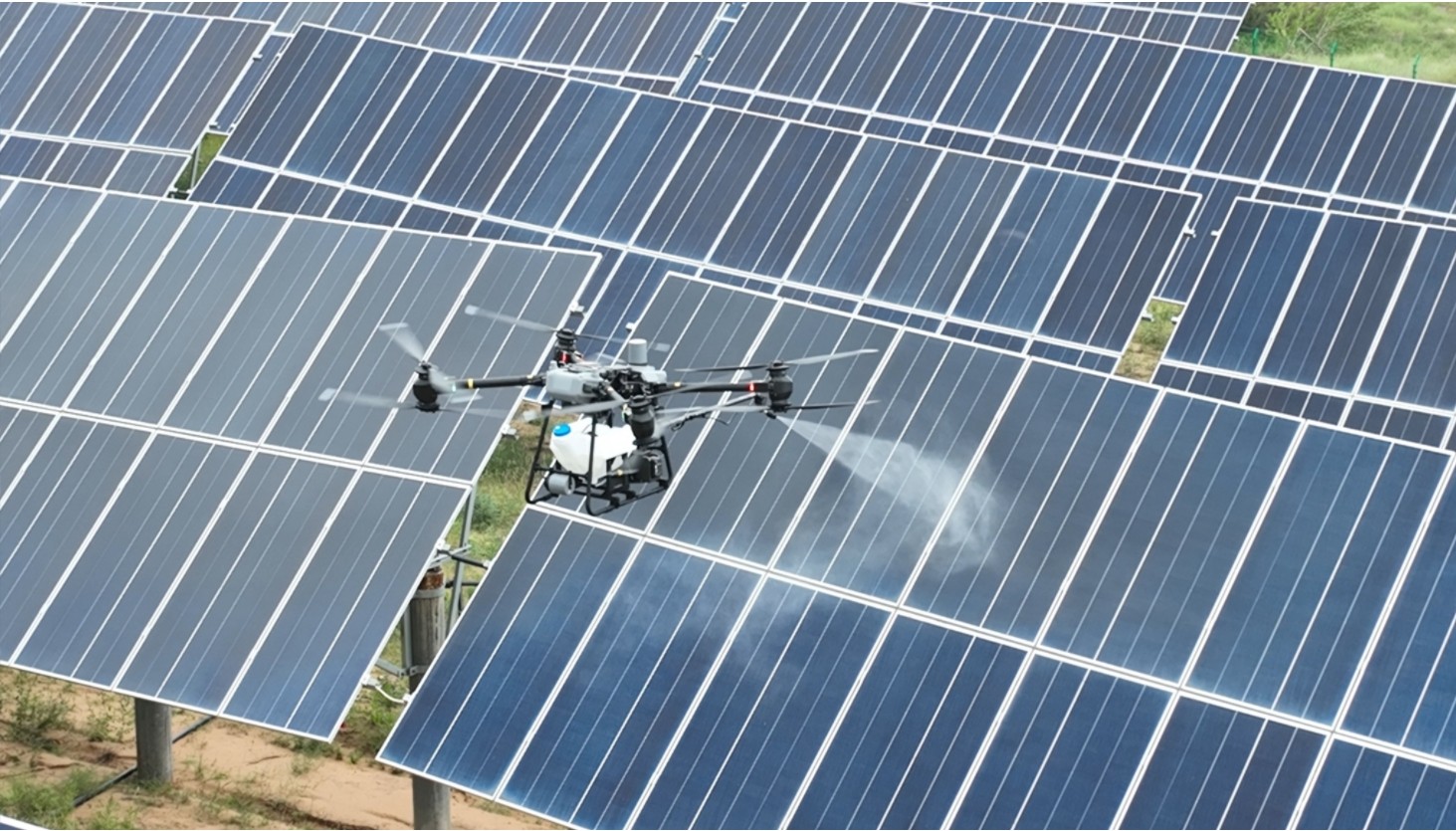
The cheapest lost kilowatt-hour is the one you never lose. A tethered drone wash with purified water restores the surface without the microcrack risk of boots. Homes, rooftop commercial, and utility blocks are the same physics — different flight plans.
Is a 30% loss realistic?+–
On long-soiled desert or agricultural arrays, yes. Most well-kept rooftops sit closer to 5–15%. The only number that matters is yours — read it off production, not a brochure.
Does a wash restore all of the loss?+–
It restores the soiling portion. Module degradation, clipping, and shade are separate. We do not sell a wash as a new inverter.
How fast do I see the gain?+–
On a clear week after the visit, the step-up is usually obvious in the monitoring. Commercial operators often see it in the first seven days.